Changing stages of life
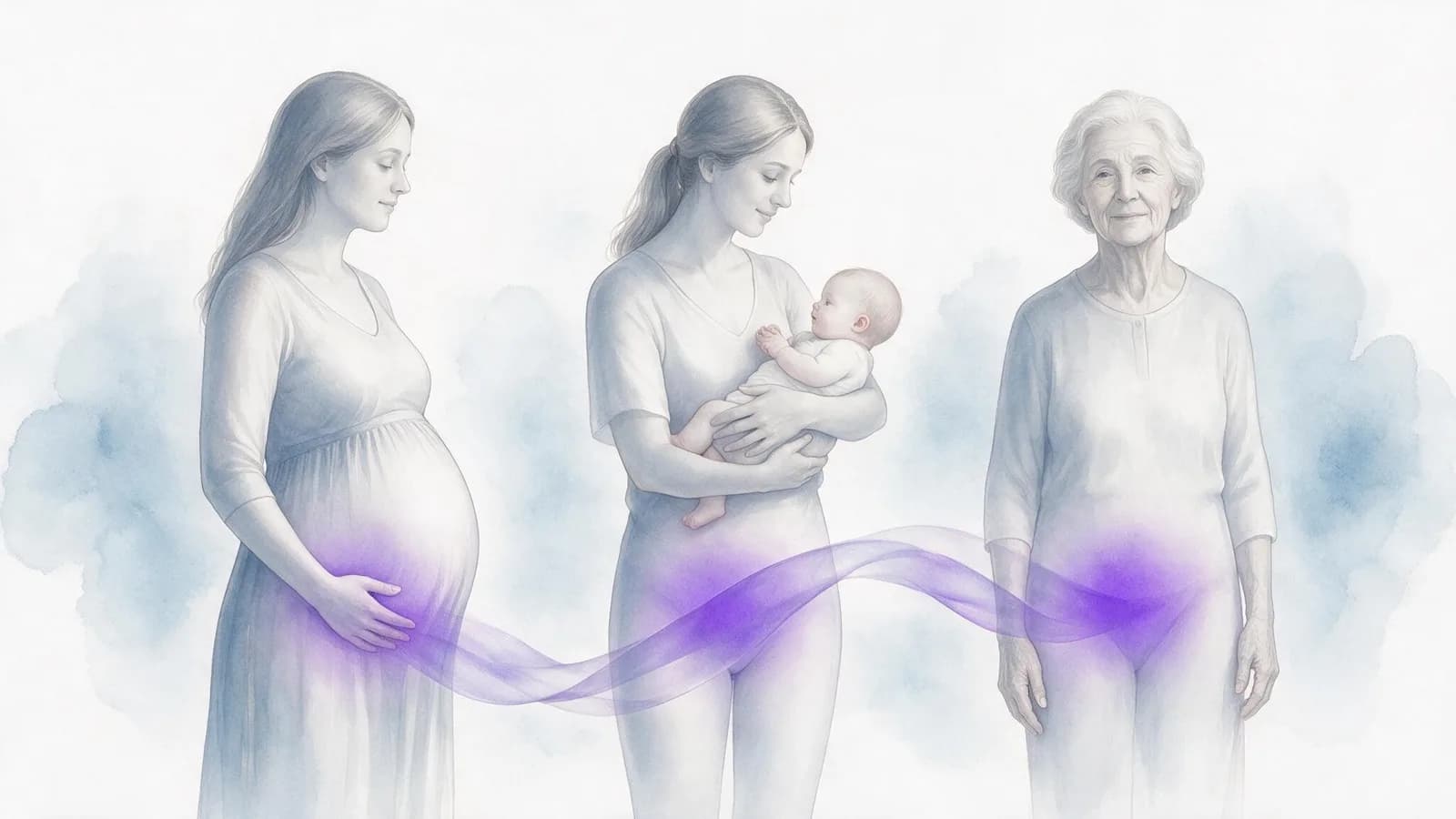
Pregnancy, postpartum recovery and menopause can change pelvic floor needs. Exercise approaches may vary by individual situation.
“Pregnancy, the postpartum period and menopause can change pelvic floor needs.”
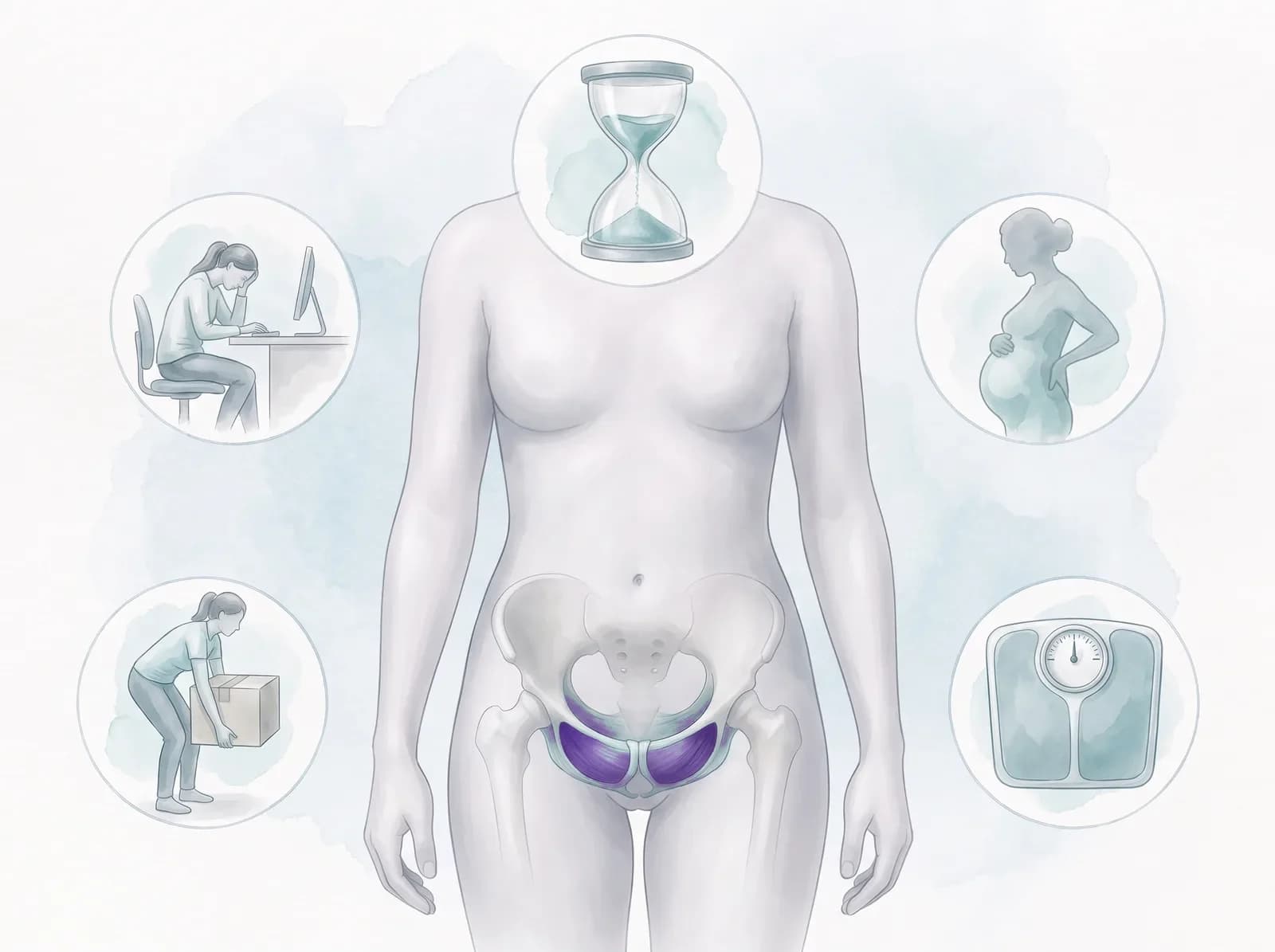
Different factors
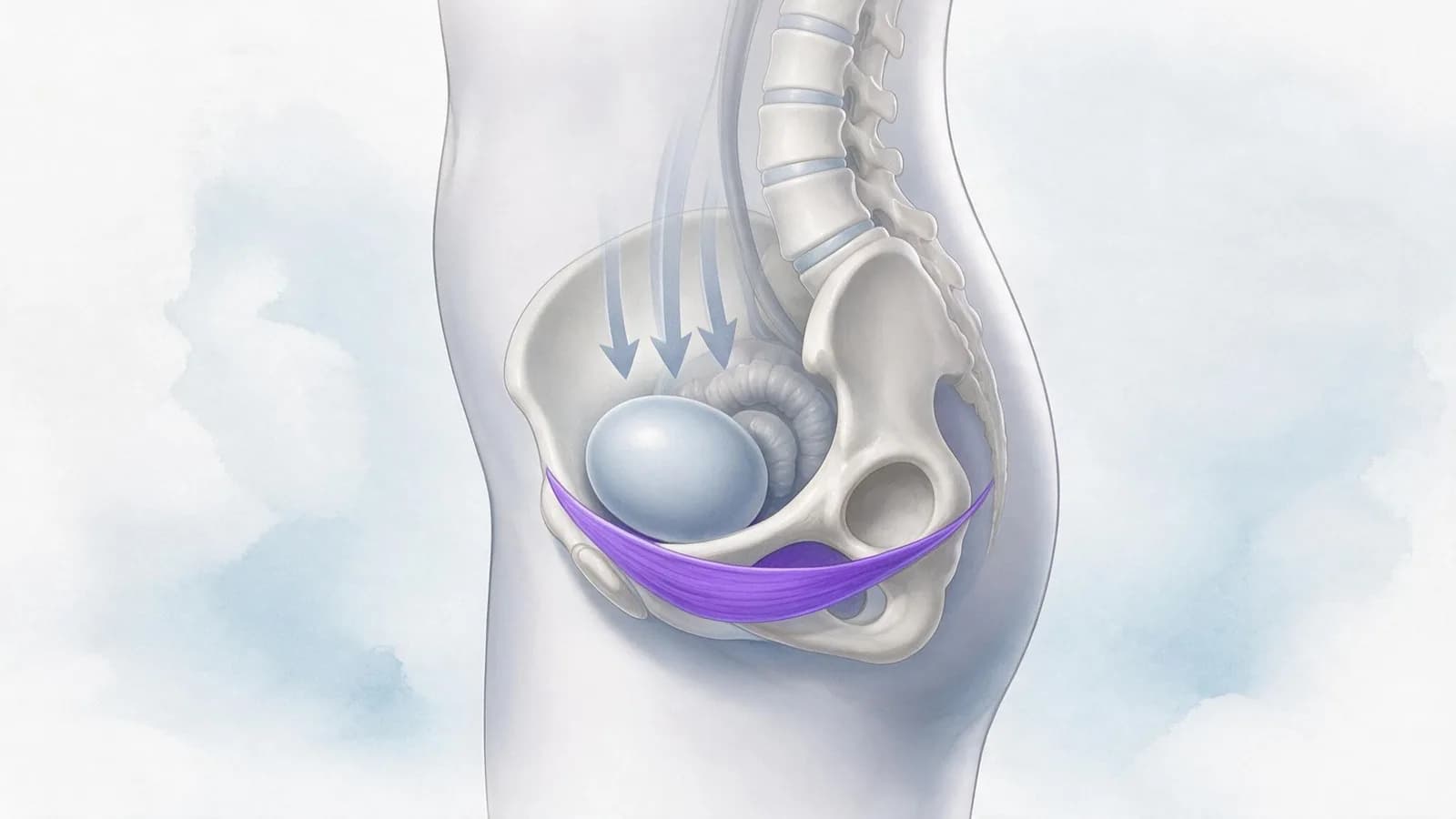
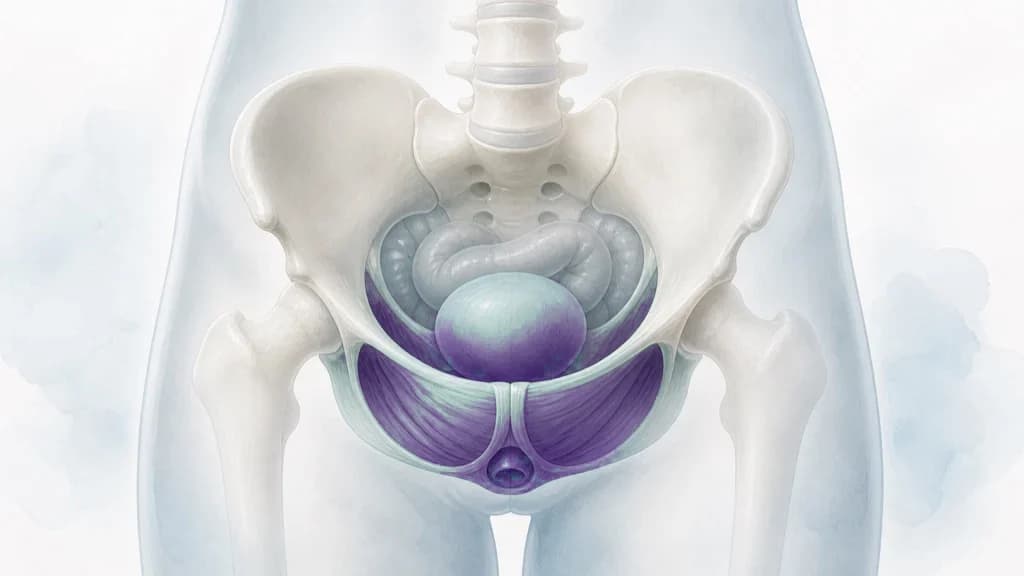
Age, pregnancy and birth, procedures, weight changes and some daily habits may relate to the pelvic floor. Individual situations need professional assessment.
Awareness and tracking
PelviQ App offers exercise content and usage history; it does not measure strength, diagnose weakness or produce a health report.
How the PelviQ device fits
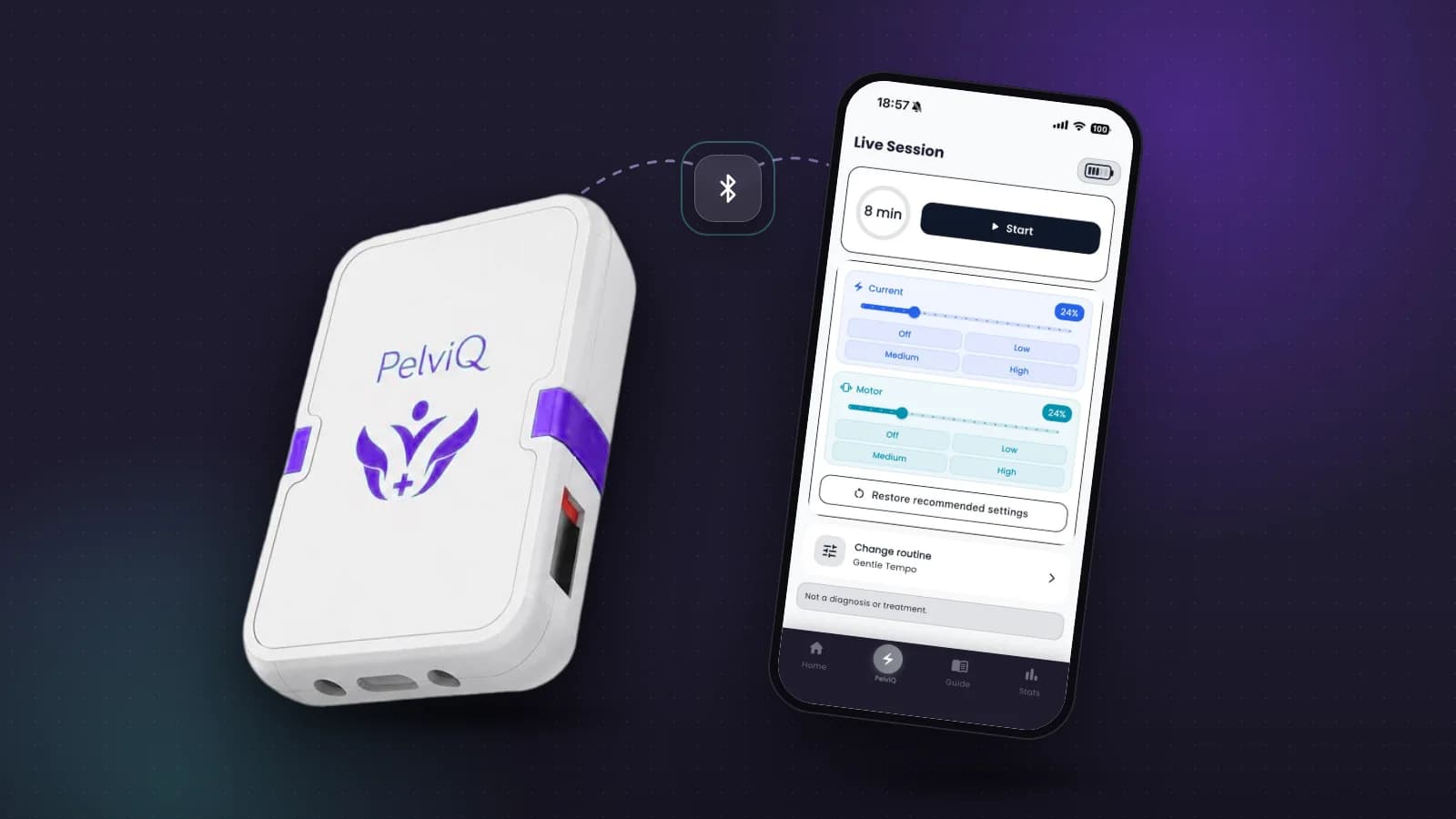
Control a compatible PelviQ device from the app and add the device session to your daily plan alongside Kegel and breathing.
PelviQ App